
What should you not do on a pontoon boat? Do not ride on the bow or outside the rails while moving, do not skip life jackets, do not drink if you are driving, and do not overload the boat or rush the dock. Those few mistakes cause most of the trouble on the water, and every one of them is easy to avoid.
This guide gathers our most important boat safety tips in one place for anyone planning a pontoon boat rental in Pittsburgh. It covers the mistakes to skip, what to do if someone falls overboard, and how the Allegheny, Monongahela and Ohio rivers fit into the picture. Pontoons are among the most stable boats you can drive, but a relaxed deck can make people forget that the river still deserves respect.
The front deck of a pontoon looks like the best seat on the boat, and that is the problem. Someone sits on the bow gate for a photo or dangles their feet over the front. One wake or a quick turn, and they slide into the water right in front of the boat and its motor.
Pennsylvania law makes this simple: you may not operate a pontoon while anyone rides outside the passenger carrying area, and no one may ride on the bow decking, gunwales or transom while the boat is above slow, no wake speed.
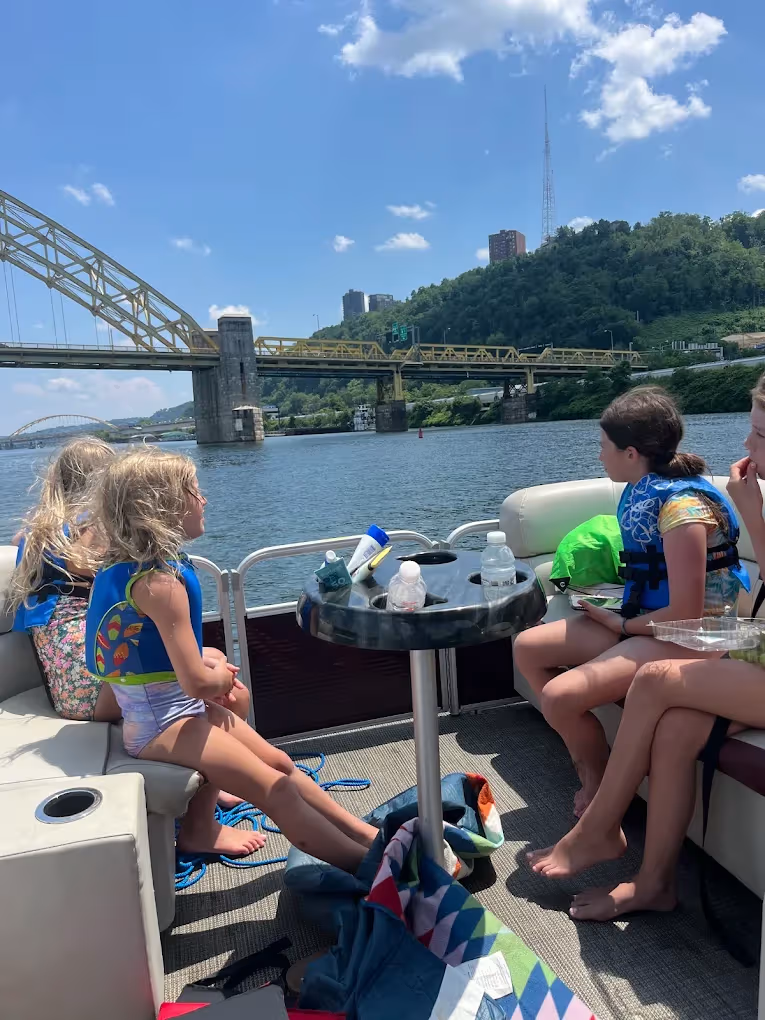
Coast Guard recreational boating statistics show year after year that drowning is the leading cause of death in boating accidents, and that most of the people who drown were not wearing a life jacket. A jacket stuffed under a cushion does nothing in the second someone goes over the side.
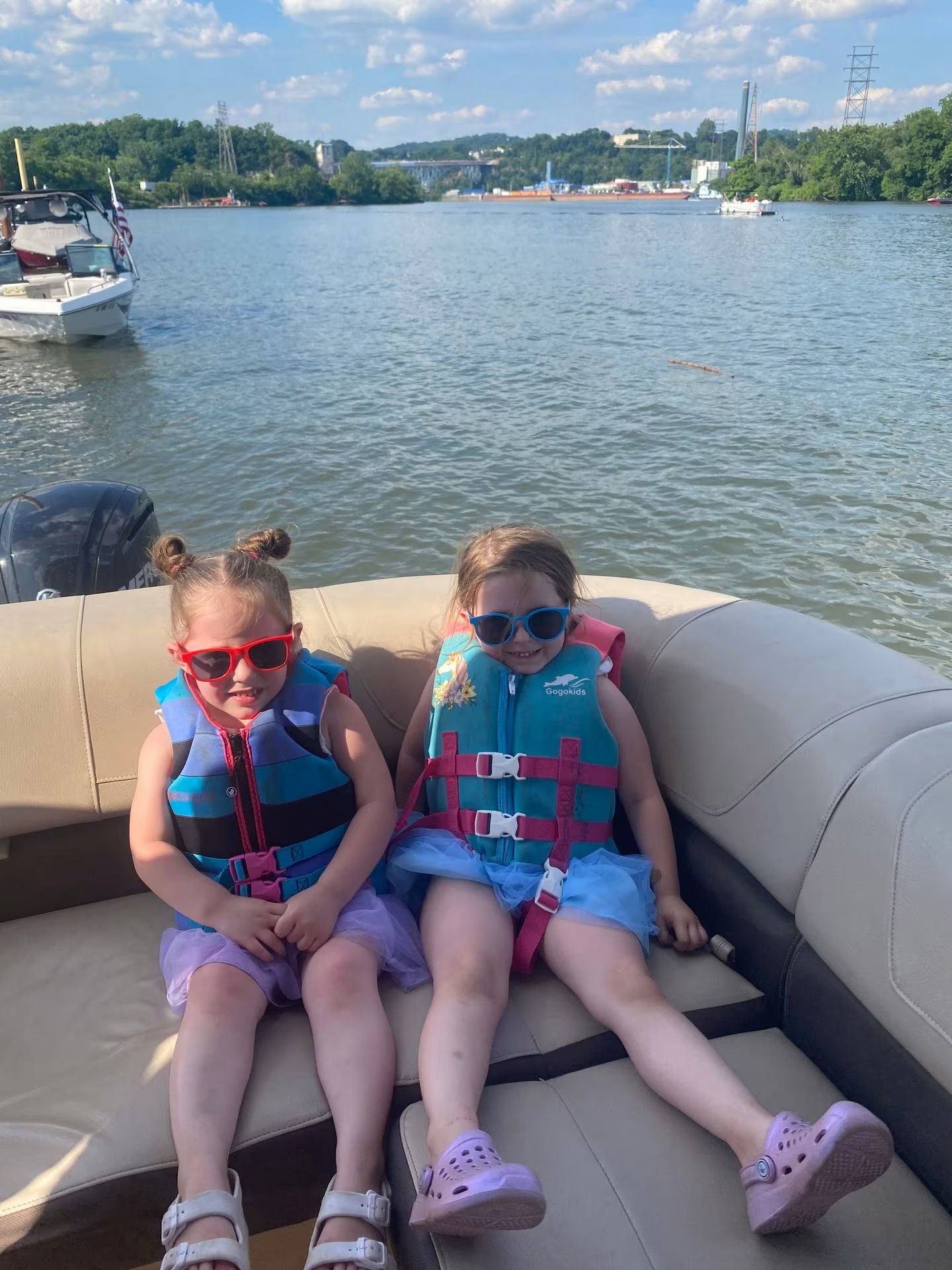
Pennsylvania requires a wearable, Coast Guard approved life jacket for each person on board, and children 12 and younger must wear one while underway on any boat 20 feet or shorter. Our pontoons carry life jackets for everyone. Fit them at the dock, not after something goes wrong: snug at the shoulders, buckled, and the right size for the person wearing it. Weaker swimmers and kids should keep theirs on the whole trip.
It is illegal in Pennsylvania to operate a boat under the influence of alcohol or drugs, and our rental policies say the same thing. The Coast Guard lists alcohol as a leading known factor in fatal boating accidents, because sun, wind, heat and boat motion all make its effects hit harder.
The fix is easy: pick a sober driver before you leave the dock. That person drives the whole trip, and only people who signed the rental agreement can take the wheel. If nobody wants that job, ask about a captain when you book so the whole group can relax.
Every pontoon has a capacity plate near the helm that lists a people limit and a weight limit. Our policy is to stay under whichever limit comes first. Heavy coolers and big groups can reach the weight limit before every seat is full.
Where the weight sits matters too. Piling people and gear at the bow pushes the front down, and at speed the nose can dig into a wake instead of riding over it. Spread passengers out, keep coolers near the middle or back, and slow down when crossing a big wake. Our guide on how many people fit on a pontoon boat explains the plate in detail.
The motor at the back of the boat is the most dangerous thing on it. A few habits keep everyone clear of it.
Damage to the boat, propellers included, is the renter's responsibility under our policies, so steer clear of shallow banks and floating logs.
.webp)
A loaded pontoon is heavy. Even at idle it carries more momentum than any arm or leg can stop, and fingers caught between the boat and a dock or wall get crushed. Come in slowly, at a slight angle, with short bursts of throttle. Have one passenger ready with a line and keep everyone else seated. If the approach is not working, back away and try again. There is no penalty for a second try.
Pittsburgh's rivers are wide and friendly, but they are moving water with working traffic. The Fish and Boat Commission regulations recap warns boaters to stay clear of dams, watch for submerged logs and rocks, and never underestimate current.
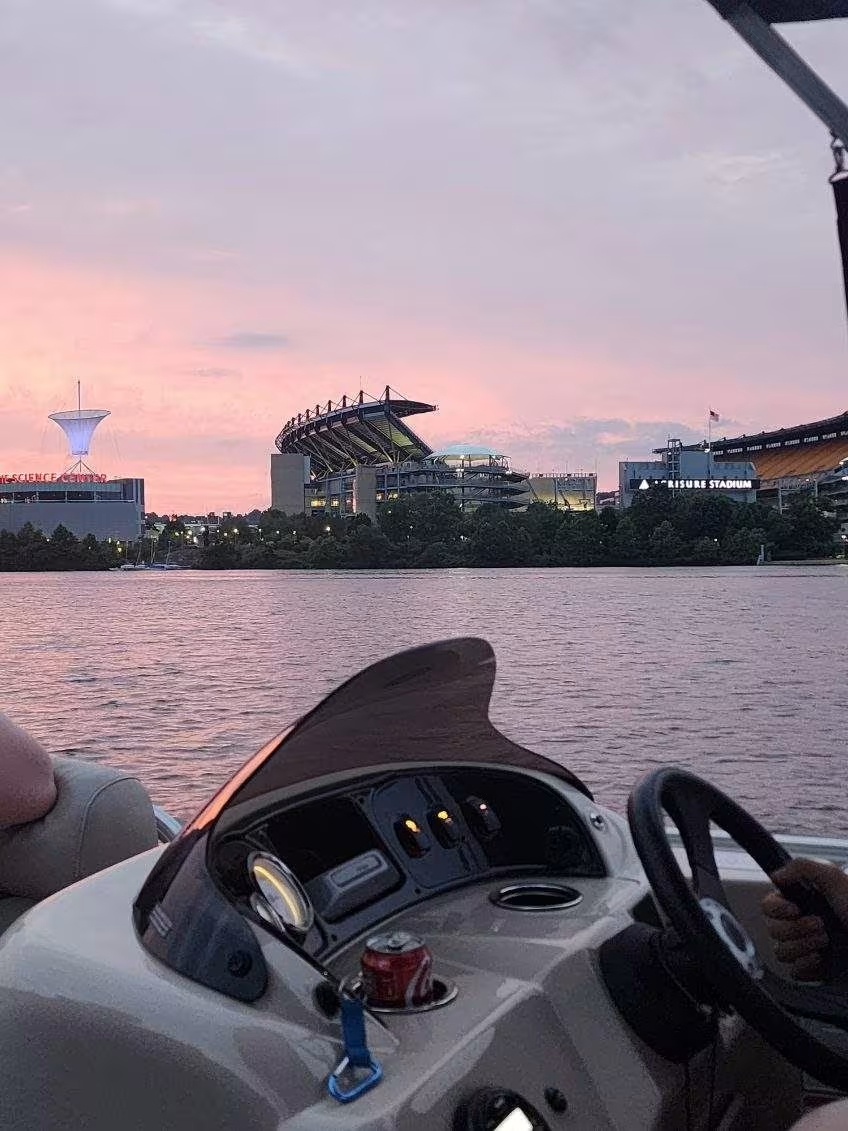
Afternoon storms can build fast in summer. Check the forecast before you go and keep watching the sky. If you hear thunder or the wind picks up hard, head back.
We make the weather call on the morning of every rental. If we cancel for weather or river conditions, you can reschedule, or get a full refund if rescheduling is not possible.
Keep an eye on the clock too. Rentals run back to back, and we allow only a five minute grace window on returns, so plan to be back at the dock on time. All boats must show running lights from sunset to sunrise, so plan sunset cruises with time to spare.
Even careful groups have accidents. Talk through this plan before you leave the dock.
Stay calm and do not thrash. Let your life jacket hold you up and float on your back. Keep your clothes on, since trapped air helps you float. In cold water, pull your knees to your chest and hug them to save heat until help arrives.
Nationally, far fewer people are hurt on boats than on roads. The difference is how accidents play out. A boat has no seatbelts or airbags, a fall can put you in moving water, and help can take longer to reach you. The same causes show up in both: inattention, speed, poor lookout and alcohol. Treat the helm like the driver's seat of a car and the odds stay on your side.
For local rules, read what you can and cannot do on Pittsburgh's rivers.
On a boat, the five that matter most are: wear a life jacket that fits, never drive after drinking, stay seated inside the rails while moving, keep a sharp lookout for boats, swimmers and debris, and check the weather before and during your trip. Add a float plan by telling someone on land where you are going and when you will be back.
It is a fuel planning habit: use one third of your fuel heading out, one third coming back, and keep one third in reserve. On a rental, apply the same idea to your time. Turn around before you reach the halfway point of your block, because current and wind can slow the trip home. Fuel details are covered when you book.
Not on the bow deck or outside the rails. Pennsylvania prohibits operating a pontoon while anyone rides outside the passenger carrying area, and riding on the bow decking, gunwales or transom above slow, no wake speed. Seats inside the front gate are fine as long as the gate is closed and everyone stays seated.
Shout and point at the person, and keep pointing. The driver shifts to neutral immediately and shuts the engine off once the person is near. Throw them anything that floats, then return slowly and keep them well away from the motor. The person in the water should stay calm and float on their back.
No. Pontoons are among the most stable recreational boats, and flips are rare. The risks come from overloading, piling weight at the bow, rough water and storms. Stay under the capacity plate, spread your weight, and head in when weather turns. Our guide on whether pontoon boats flip covers this in more detail.
Ready for a safe, easy day on the water? Book your pontoon rental from Vic's Boat Park in McKees Rocks, or call (412) 773-0988 with questions before you go.
Join our community and enjoy incredible savings while embarking on unforgettable boat rentals. Whether you're looking to cruise along the iconic Three Rivers, host a special event on the water, or simply unwind with a relaxing day of boating, Subscribe and Save 15% off your next rental is your ticket to more fun and less cost.

